
Haunted Houses 1 - The Shining (1980)
Summary
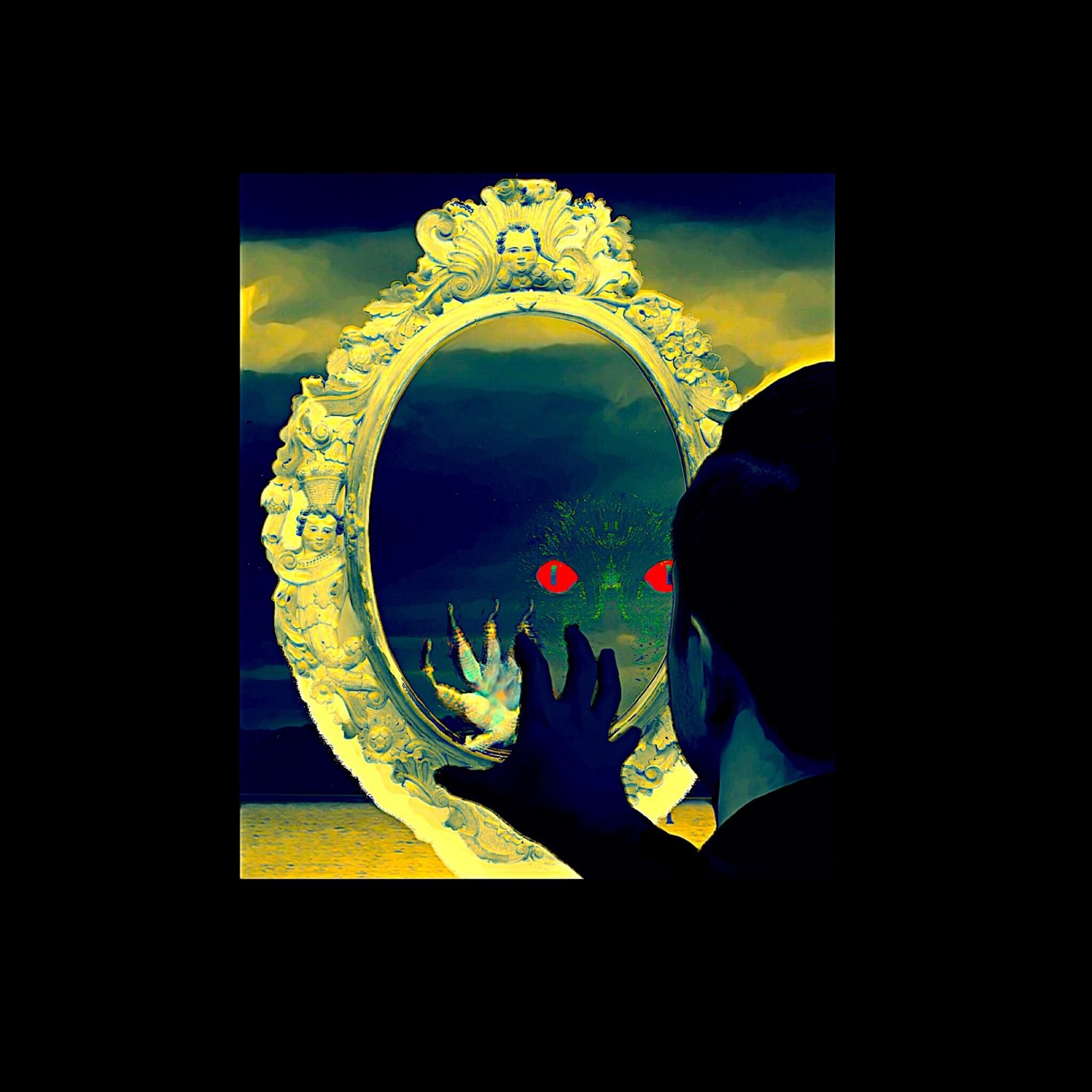
Jeff and Brian begin a Horror Joy mini-series on haunted and haunting houses by discussing Stanley Kubrick’s 1980 adaptation of Stephen King’s The Shining and the Overlook Hotel as a possibly sentient space.
They ask whether the hotel merely contains ghosts or actively amplifies violence, racism, sexism, and repetition.
They critique the “Indian burial ground” trope, discuss Grady’s claims that Jack has “always been” the caretaker, the final photograph’s time-loop implications, and scholarship on hereditary or cyclical violence.
They emphasize the film’s maze motifs (hedge maze, carpets, corridors) and consider the steadicam and “autonomous camera” as intensifying dread, while noting Dick Hallorann’s disposability and ending with “joy” found in the film’s craft and unsettling images.
References:
- Graham Allen. ‘A Mad Image, Chafed by Reality’: Kubrick, the Uncanny and the 4th of July 1921 Photograph in The Shining
- F. Brigo & S. C. Igwe & N. L. Bragazzi. Kubrick’s The Shining and the erased myopathic face
- Laura Mee. The Shining. Liverpool University Press, 2017
- Paul Sunderland. The Autonomous Camera in Stanley Kubrick’s The Shining

Straight White American Jesus
The flagship show examining Christian nationalism and democracy.
Listen Now
Axis Mundi Daily Brief
Short, focused analyses of the most important daily developments in religion and politics.
Listen Now